


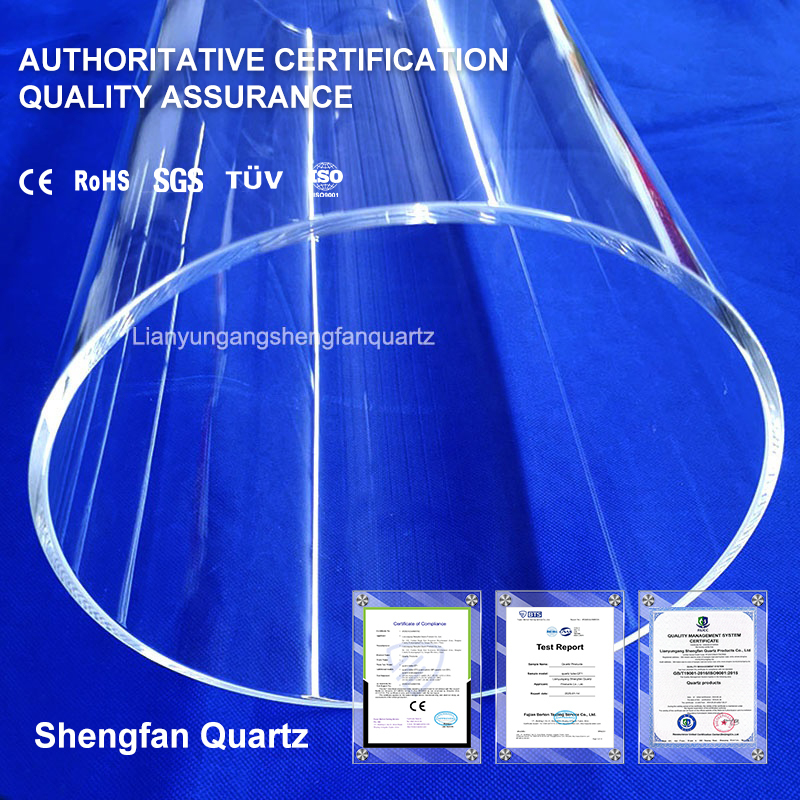
Tubos de quartzo vs tubos de vidro de borosilicato Cliente Aplicação do mundo real Comparação-Eva
Publicado em: June 22, 2026
PTubo uartz vs tubo de vidro borossilicato Comparação de aplicativos do mundo real do cliente
H1: Caso do cliente: Por que os laboratórios de semicondutores mudaram de tubos de borosilicato para tubos de quartzo de alta pureza
H2: Histórico do cliente e consulta inicial
Recebemos uma consulta de um atacadista de equipamentos de laboratório dos EUA por meio de nosso site independente em abril de 2026. O cliente forneceu equipamentos de reação de aquecimento de laboratório para laboratórios químicos universitários e oficinas de processamento úmido de semicondutores.
Seu principal problema: tubos comuns de vidro de borosilicato causaram falhas consistentes em testes em experimentos ultralimpos em alta temperatura. Traços de íons metálicos lixiviados de amostras de precisão contaminadas com borossilicato, levando a dados experimentais imprecisos. Eles nos contataram para comparar o desempenho do tubo de quartzo e do tubo de borosilicato e solicitaram amostras de teste para verificação.
H2: Comparação de desempenho principal e registro de comunicação do cliente
Compartilhamos amostras físicas, relatórios de testes de laboratório e comparações detalhadas de parâmetros durante videochamadas, cobrindo quatro diferenças críticas que mais preocupavam o cliente:
1. Pureza Material
Nosso tubo de quartzo fundido JGS2 é feito de 99,99% SiO₂, zero impurezas de metais pesados. Mesmo sob ácidos fortes, álcalis e altas temperaturas, não ocorre precipitação de íons, correspondendo totalmente aos padrões de salas limpas de semicondutores.
O vidro borossilicato contém elementos de boro, sódio e alumínio. Acima de 300°C, essas substâncias se dissolvem em reagentes, arruinando análises químicas de alta precisão.
2. Resistência à temperatura e choque térmico
O tubo de quartzo suporta temperatura de trabalho contínua de 1100°C; pode suportar alternância repentina de frio e calor sem rachar.
A temperatura máxima a longo prazo do Borossilicato é de apenas 500°C; mudanças rápidas de temperatura criam facilmente rachaduras e vazamentos.
3. Resistência à corrosão química
O quartzo resiste a todos os ácidos fortes, exceto ao ácido fluorídrico. Funciona de forma estável com solventes químicos de alta pureza.
O borosilicato reage com álcalis fortes e quentes, gerando turbidez e corrosão superficial.
4. Transmitância óptica
O quartzo passa de UV para luz infravermelha, adequado para fotocatálise e testes de reação óptica. O borossilicato bloqueia a maioria dos raios ultravioleta, limitando o uso de experimentos ópticos.
H2: Teste de amostra e decisão final do cliente
Enviamos amostras gratuitas de tubos de quartzo e tubos de borosilicato ao cliente em até 5 dias úteis. Após 2 semanas de testes de laboratório no local, o cliente deu um feedback claro:
• Os tubos de borosilicato mostraram contaminação iônica óbvia após imersão em ácido em alta temperatura;
• Os tubos de quartzo mantiveram estabilidade completa sem poluição da amostra.
Eles cancelaram o contrato existente com o fornecedor de borosilicato e fizeram um pedido em massa de tubos de quartzo personalizados com espessura de parede e comprimento de corte especificados. Um mês depois, eles enviaram um pedido repetido com requisitos de marca OEM.
H2: Conclusão e solução para o seu negócio
Este caso real de cliente prova claramente que os tubos de borosilicato só se adaptam ao uso comum em laboratório em baixas temperaturas. Para indústrias de alta temperatura, ultralimpas, de semicondutores, fotocatálise e química de precisão, os tubos de quartzo de alta pureza são a escolha insubstituível.
Nossa fábrica fornece tubos de quartzo personalizados, folhas de vidro de quartzo com corte preciso, polimento e serviço OEM. Se você tiver requisitos especiais de temperatura, pureza ou dimensões, entre em contato com nossa equipe de engenheiros para obter amostras grátis e suporte técnico.

